5 happiness hacks
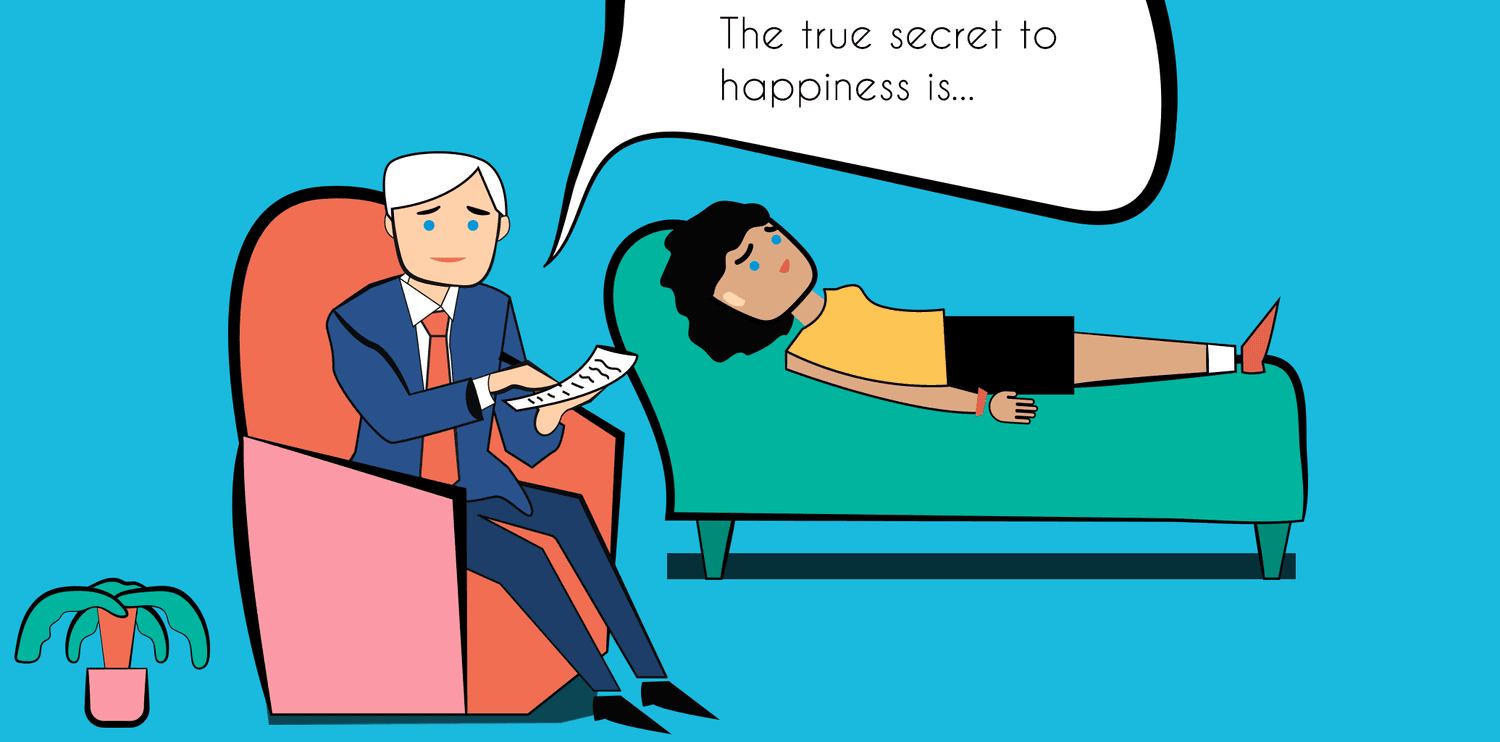
Spoiler alert: There are no shortcuts to happiness. However, you can follow these top tips for a helpful start on your journey.
The below tips are taken from The Happy Course with the Happiness Research Institute, take the masterclass today to learn more.
1. Keep a gratitude journal
Try to write down three things you are grateful for at the start of each week. They can be anything you like. Pause for a moment to reflect on them.
What’s the science behind it?
The brain has an inherent negativity bias which means we tend to focus on what’s wrong before we think of what’s right. By training the brain to recognise and acknowledge the positive, it will shift towards a more naturally positive state over time.
2. Do some exercise
Just 30mins of exercise three times a week will help to improve your mood. Why not try a zumba class, skipping or hip hop dancing?
What’s the science behind it?
This is because there is a strong connection between exercise and feeling happy. During exercise the body releases feel good hormones called endorphins. Yay!
3. Be social
We evolved as social animals. Even if you consider yourself to be an introvert you will benefit from some social contact with your fellow humans.
What’s the science behind it?
A lack of social interaction can be more harmful than smoking. Loneliness weakens our immune system and increases our susceptibility to disease.
4. Everything in moderation
Doing anything to excess can be damaging (even exercise). So try and lead a balanced lifestyle. Do some good stuff and enjoy some bad stuff.
What’s the science behind it?
A study at the University of Lausanne by researchers from Canada and Switzerland has shown that too much sport for teenagers could negatively impact their well-being just as much as too little sport.
5. Ensure you’re getting enough sleep
Getting a good night’s rest is a non-negotiable. Read on to see why.
What’s the science behind it?
The latest science suggests that sleep is important for learning and memory consolidation, as well as for washing out toxins that build up during the day. If you don’t get enough sleep, you risk a progressive buildup of plaque, and this is associated with the onset of Alzheimer’s. Indeed, over years of poor sleep, you suffer cortical atrophy - your brain literally starts to shrink.
Want to learn more about happiness? Check out our '5 more happiness hacks' post or take our Happy Course, from Meik Weking the New York Times best selling author, and CEO of the Happiness Research Institute.
Enjoyed this? There's more.
Weekend Reads every Friday, Weekday Wisdom every Tuesday.Plus 10% off your next purchase, right away.
Join 17,489+ curious people. Unsubscribe any time.
Comments
No comments yet. Start the conversation.