5 reasons to include humour when storytelling
The different ways humour can help you tell your tale.
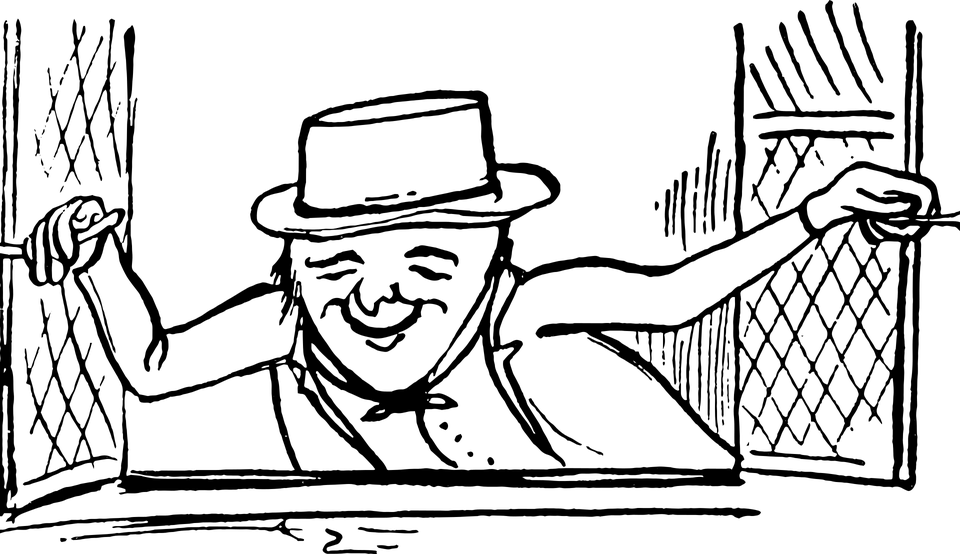
“Humour breaks down boundaries, it topples our self-importance, it connects people, and because it engages and entertains, it ultimately enlightens.”
We all like a good joke.
They help us to relax and make us feel good. And neuroscience backs this up.
Laughter promotes the release of endorphins or ‘feel-good’ hormones in the brain. It has also been shown to reduce the volume of the two major stress hormones: cortisol and epinephrine.
This is why it is a powerful ally in storytelling.
Here are five ways in which making your audience smile can have an impact:
1. It allows you to approach sensitive or difficult subjects
Think of a risqué comedian. Their observations would be highly controversial if they weren’t wrapped in the softening context of a joke? Shows like Will & Grace have used humour as a vehicle to break existing societal taboos because of its disarming effect.
2. It keeps your audience interested
Real life is not 100% serious all of the time. A sprinkling of laughter helps to ground your story and make it more believable. You would soon tire of a book or a film that was serious the entire time.
3. It makes your story more memorable
Think of all the funny one-liners you can recall from your favourite movies. Happiness is one of the six key emotions, all of which are key in forming memories. Put simply, the greater the emotional impact of your story, the more likely people will remember your story.
4. It makes your characters more realistic
When tragic things happen in life, humour offers a way to ease the tension. It’s not uncommon for a funeral eulogy to contain a humorous anecdote for this exact reason.
5. It helps give rhythm to your story
A well-told joke helps to give shape and rhythm by acting as a form of punctuation. It can signal to the reader that they’re coming to the end of a certain phase of a story or even the beginning of a new one.
There’s a tendency to assume humour isn’t appropriate for telling certain stories, but it’s a brilliant technique for making your point more memorable and encouraging trust in you as the storyteller.
The next time you tell a story, try adding some humour and let us know how it goes.
If you want to learn how to master the art of storytelling, then check out our course. Made in collaboration with some of the world’s top experts, you will learn the necessary practical skills to make your stories shine.
Enjoyed this? There's more.
Weekend Reads every Friday, Weekday Wisdom every Tuesday.Plus 10% off your next purchase, right away.
Join 17,489+ curious people. Unsubscribe any time.
Comments
No comments yet. Start the conversation.