The Mandela Effect
How your mind plays tricks on you.
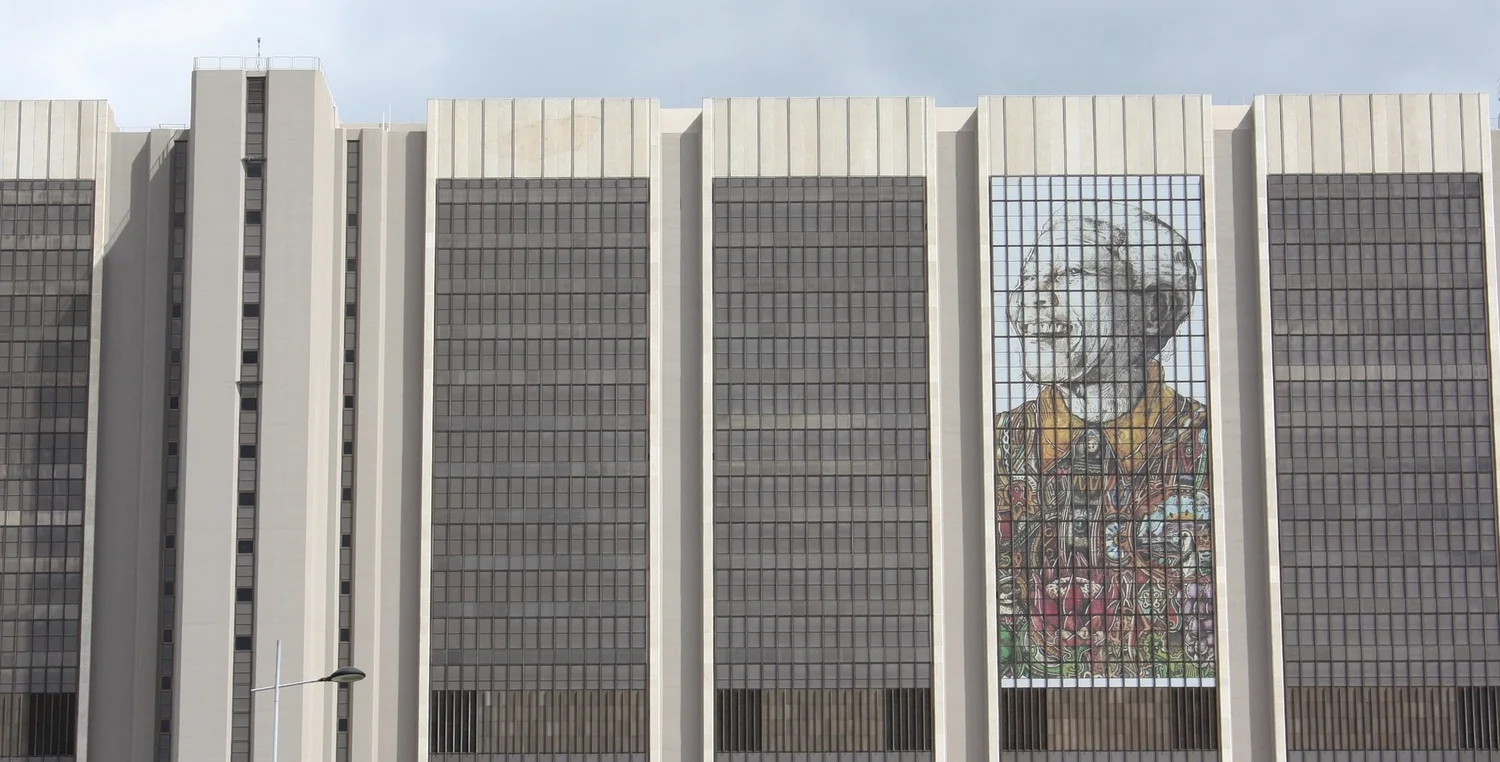
Who can remember that immortal line from Star Wars?
You know the one where Darth Vader says “Luke, I Am Your Father”.
Almost everyone right? Even some people who have never watched the film do. Except he didn’t actually say the word “Luke”.
Nope.
The real line uttered by the soulful, syrupy voice of the actor James Earl Jones was “No, I Am Your Father.”
“No way!” you’re saying to yourself right now.
You don’t believe it? Go watch the clip.
So what’s going on here exactly? How can we be so wrong about something so certain?
The answer is something called the Mandela Effect.
It was first coined in 2010 and it's named after the former president of South Africa who spent 27 years as a political prisoner on the notorious Robben Island.
Why so?
Because at that time, many people on the internet believed he was dead despite the fact that he didn’t actually die until 5th December 2013.
Why does this phenomenon of collective misremembering occur? It's all to do with the fallibility of human memory and social effects.
False memory is a term used to describe the recalling of events that have not occurred, or the distortion of existing memories.
This is quite common and is due to the fact that our memories are not stored in a permanently 'stable' state. Memory formation is not like placing a book on a shelf and then retrieving that exact same book at a later date. It is something more malleable and continuously evolving, taking on new elements or subtly modifying existing ones.
These reported memory 'errors' can then become part of the collective reality and the internet acts as the ultimate facilitator of this through social effects.
Other examples of the Mandela effect include the mistaken belief that the Nestle chocolate bar KiKat contains a hyphen (i.e. Kit-Kat) and people claiming to have seen the footage of Princess Diana's fatal car crash despite the fact that no such imagery exists and their 'memory' of it is based on computer simulations of the event.
This phenomenon calls into question not only the validity of much of the information on the internet but also witness testimony in criminal trials, especially after a significant passage of time.
It seems our memories aren't something we can 100% rely on.
Enjoyed this? There's more.
Weekend Reads every Friday, Weekday Wisdom every Tuesday.Plus 10% off your next purchase, right away.
Join 17,489+ curious people. Unsubscribe any time.
Comments
No comments yet. Start the conversation.