The Keats Heuristic
Why things that rhyme are more believable.
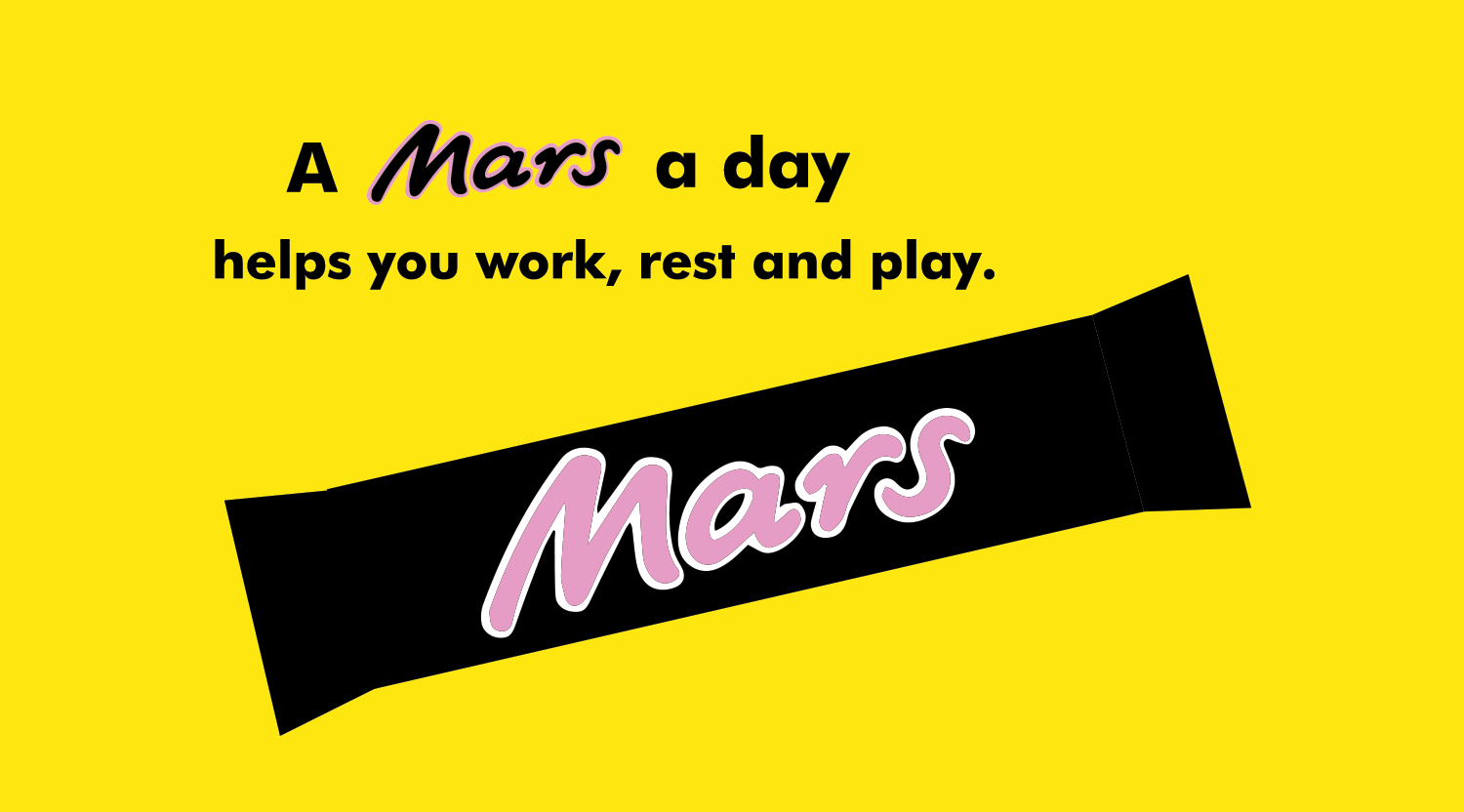
Research has proved what many good advertisers have intuitively known: we evaluate rhyming statements as more truthful.
This bias is called the Keats heuristic and it was discovered by two psychologists, Matthew McGlone and Jessica Tofighbakhsh (for those of you that are interested, you can read their academic paper in full here).
This phenomenon occurs due to a combination of the aesthetic qualities of words that rhyme (i.e. they sound nice) and the fluency heuristic (how easy it is for our brain to process the information).
As a result, sayings that rhyme can be very powerful persuasion tools.
For example, the phrase “If it doesn’t fit, you must acquit” was famously used by O.J. Simpson’s lawyer to acquit him of Nicole Simpson’s murder in 1995.
This was despite the overwhelming evidence against him.
Unsurprisingly, the Keats heuristic has been used to great effect in advertising. Consider the following examples:
'Grace. Space. Pace.' - Jaguar
‘P-p-p...pick up a Penguin.’ - Penguin biscuits
‘Beanz. Meanz. Heinz.’ - Heinz baked beans
‘We all adore a Kia-Ora.’ - Flavoured soft drink
Have you come across any others? Feel free to share them in the comments section below.
If you’re interested in learning more about how behavioural science can lead to more effective marketing then you will enjoy our course on Behavioural Science for Brands.
Pre-register today by clicking on the course tile on our homepage and leaving your email address. You’ll be the first to know when it launches!
Enjoyed this? There's more.
Weekend Reads every Friday, Weekday Wisdom every Tuesday.Plus 10% off your next purchase, right away.
Join 17,489+ curious people. Unsubscribe any time.
Comments
No comments yet. Start the conversation.